
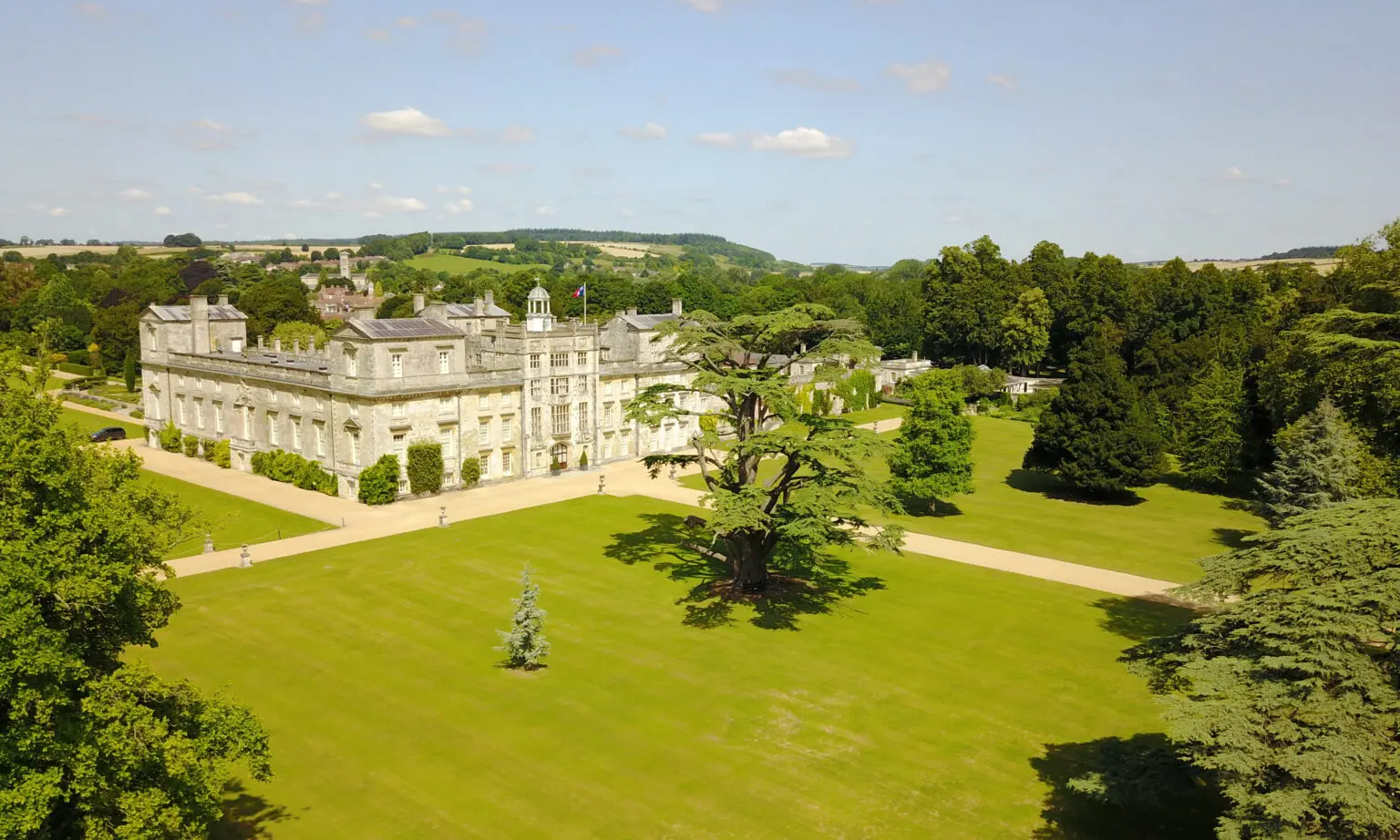
Wilton House
Wilton house
Wilton House stands among England’s great historic houses, a place where architecture, art and landscape combine to create one of the country’s most important cultural estates. Located near Salisbury in Wiltshire, Wilton has been the ancestral home of the Earls of Pembroke for more than 400 years and remains a living seat of heritage, creativity and patronage.
The site itself has far deeper roots. Originally a 9th-century abbey, Wilton was transformed into a private residence following the Dissolution of the Monasteries in the 16th century. Its most significant reinvention came in the early 17th century, when the 4th Earl of Pembroke commissioned Inigo Jones to rebuild the house. The result is widely regarded as one of the finest examples of Palladian architecture in Britain, with a sequence of state rooms that helped introduce classical architectural principles to England.
Wilton House is equally celebrated for its exceptional art and sculpture collection, assembled over centuries by successive generations of the Pembroke family. The collection includes masterpieces by artists such as Anthony van Dyck, Rembrandt, Hans Holbein, Joshua Reynolds, Peter Lely and Pieter Brueghel, alongside important works of sculpture and decorative art. These pieces are not displayed as a static museum collection, but as part of a living house, where art, architecture and domestic history are in constant dialogue. For visitors, this creates an unusually intimate experience of works normally associated with major international galleries.
Beyond the house itself, Wilton is set within 22 acres of landscaped parkland, framed by classical architecture, water features and mature trees. This setting has made Wilton a sought-after location for film and television, appearing in productions including The Crown, Bridgerton and Pride & Prejudice. It is also what makes Wilton such a compelling backdrop for outdoor events, allowing large-scale gatherings to sit comfortably within a historically sensitive environment.